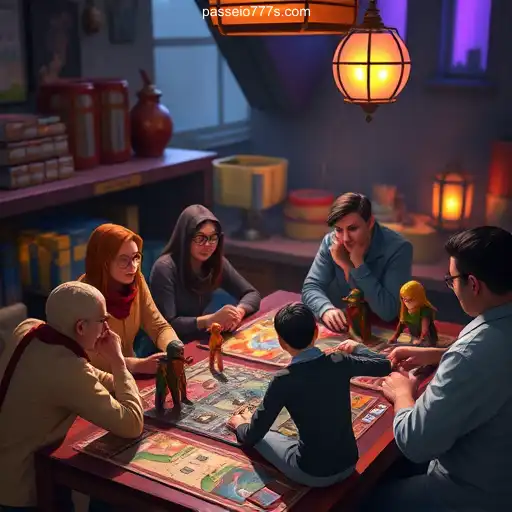
The Thriving World of Tabletop Games
Tabletop games have seen a resurgence in popularity in recent years, captivating both casual gamers and serious enthusiasts alike. These games, encompassing genres from strategic board games to intricate role-playing adventures, offer a tangible and social experience that digital games often lack. The tactile sensation of moving pieces, rolling dice, and engaging face-to-face in heated strategy sessions appeals to a wide range of people across various demographics.
The Appeal of Tabletop Games
One of the primary reasons for the renewed interest in tabletop games is their ability to bring people together. Unlike online games, which can sometimes feel solitary, tabletop games foster a sense of community and interaction. They encourage players to gather around a table, engage in conversation, and participate in a shared experience. This aspect of socialization is a significant draw for many gamers who appreciate the opportunity to bond with friends and family over a game night.
Furthermore, tabletop games offer a diverse array of experiences and complexities. From quick, light-hearted games suitable for parties to deep, strategic games that can last several hours, there is something for every preference. This variety ensures that there is always a new challenge to tackle or a new world to explore, keeping the hobby fresh and exciting.
Innovation and Creativity in Game Design
The tabletop gaming industry has also benefited from a surge in innovation and creativity. Designers are continually pushing the boundaries of what tabletop games can offer by introducing novel mechanics, themes, and storytelling elements. This creativity is evident in the design of both indie games and those produced by large publishers.
For instance, legacy games have become increasingly popular. These games introduce a campaign element where the game evolves over multiple sessions, with players' decisions having lasting consequences. This level of depth adds to the narrative experience, creating a dynamic and engaging environment that extends beyond traditional single-session games.
Role-Playing Games: A World of Imagination
Role-playing games (RPGs) are a crucial segment of tabletop gaming that highlights the imaginative potential of the medium. These games invite players to assume the roles of characters in fictional settings, often guided by a gamemaster who steers the narrative and presents challenges. RPGs can range from fantastical adventures involving magic and myth to modern-day espionage or science fiction escapades.
The collaborative storytelling aspect of RPGs is particularly appealing. Players contribute to the narrative, crafting their own stories and character arcs within the framework of the game. This encourages creativity, problem-solving, and teamwork, as players must work together to achieve their objectives or survive daunting challenges posed by the gamemaster.
The Economic Impact of Tabletop Games
The economic impact of tabletop games cannot be overstated. The industry has experienced substantial growth, driven by both increased consumer interest and a rise in crowdfunding platforms like Kickstarter, which have empowered independent creators to bring innovative projects to life. Successful campaigns can generate significant funding, allowing small teams to produce high-quality games and reach global audiences.
Moreover, many game enthusiasts are passionate collectors, eager to support publishers through purchasing expansions, accessories, and exclusive editions. This consumer loyalty ensures a thriving market not only for game publishers but also for related industries such as gaming cafes and conventions.
Passeio777.com - Cassino Online Brasil 2026 Bônus R$5.000 + 500 Giros
As the tabletop gaming industry flourishes, there is also a noted intersection with online gaming experiences. Websites like Passeio777.com - Cassino Online Brasil 2026 Bônus R$5.000 + 500 Giros showcase how traditional gaming can coexist with digital platforms, offering gamers an extensive variety of activities. These online platforms provide lucrative bonuses and spins to enhance the gaming experience, drawing in diverse audiences.
While the tactile interaction of tabletop games is distinct, online platforms cater to a different set of player preferences, emphasizing convenience and accessibility. Players who might not have regular access to game groups or want a more solitary experience can turn to online options, enjoying the same strategic depth and entertainment value.
The dual rise of tabletop and digital gaming platforms illustrates a broader trend in the gaming industry, where diverse offerings cater to a wide range of tastes and preferences. Whether it is rolling dice manually or spinning reels online, each segment of the gaming world offers unique joys and experiences.
The Future of Tabletop Gaming
Looking ahead, the future of tabletop gaming appears bright. As technology continues to advance, new possibilities for integration and hybrid experiences between physical and digital formats are emerging. Augmented reality and mobile apps are frequently incorporated into gameplay, offering dynamic components that enhance the traditional tabletop setup.
This blending of mediums could redefine how games are played, creating even more immersive and interactive experiences. As a result, tabletop games are likely to continue evolving, drawing in new players while satisfying the ever-changing demands of dedicated enthusiasts.